


“We're going to fire 30% of our employees this year because of AI. “
“OpenClaw works for me 24 hours a day.”
“AI will destroy our civilization.”
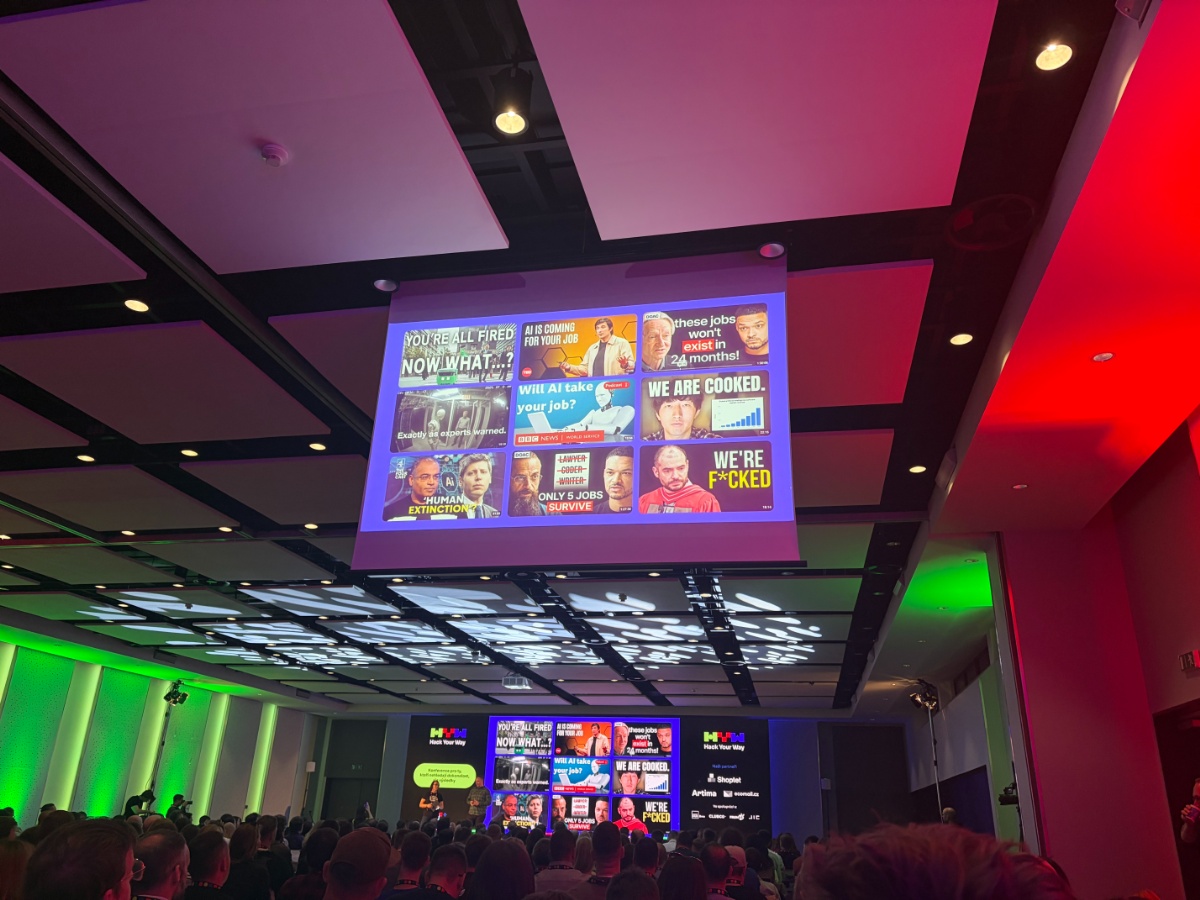
We've all read similar articles before. They've seen similar videos. And what we're gonna... I don't know about you, I'm very deeply impressed. And at the same time they brought me nothing. So I stopped paying attention to them.
Fighting for attention
The authors do it on purpose. They want to get your attention. Likes, attendance, contacts. They use different forms of fear to do so.
They show scenarios from the future. Predictions of how in 18 months AI will replace all lawyers, doctors and programmers. Posts about how this new feature changes everything.
It's a great read. You talk to your friends at the pub about it. And at the same time, it does not help you in any way.
Start choosing
Sense-making is the art of regulating attention and focusing only on the essentials. Substantial data. Substantial points of view. In other words, you need to know what you can ignore. Cedric Chin of Commoncog describes 3 rules on how to read information about AI:
1️⃣ Ignore all opinions and predictions
It doesn't matter how smart the authors are. What kind of background they have. How convincing their analysis sounds.
When a new technology arises, the impacts are uneven and, in principle, unpredictable. No one knows what AI will do to your field in a year. Neither did Sam Altman.
Essays “from the future” bring you nothing today. They just raise your cortisol.
2️⃣ Concentrate on detailed reports from practice
Or field reports. Descriptions of specific use. It doesn't matter what format they're in. Text, video, paid, unpaid.
Watch what people actually did and how it worked for them. Not what he thinks of it. Focus only on those detailed descriptions where you know the authors and the context.
Good news from practice allows you to do something new that could be of value to your business and your direction.
3️⃣ Experiment
Take the time to experiment. The practice report is just a hypothesis. You have to verify it. On his problem. With his team. It's not enough just to read, you have to rehearse. Don't you know how? We will teach you.
At House of the Cutter, we built for exactly this reason AI Marketing Lab and AI Design Lab. Three-month space where you get AI you try, you verify its usefulness to you and you are prototyping practical scenarios that work for us.
And because we use AI to generate content, we also share our experience in Short video course.
“Attention does not equal purchase intent.”
- Cedric Chin
Reading for the weekend
The original text by Cedric Chin that inspired this newsletter.


